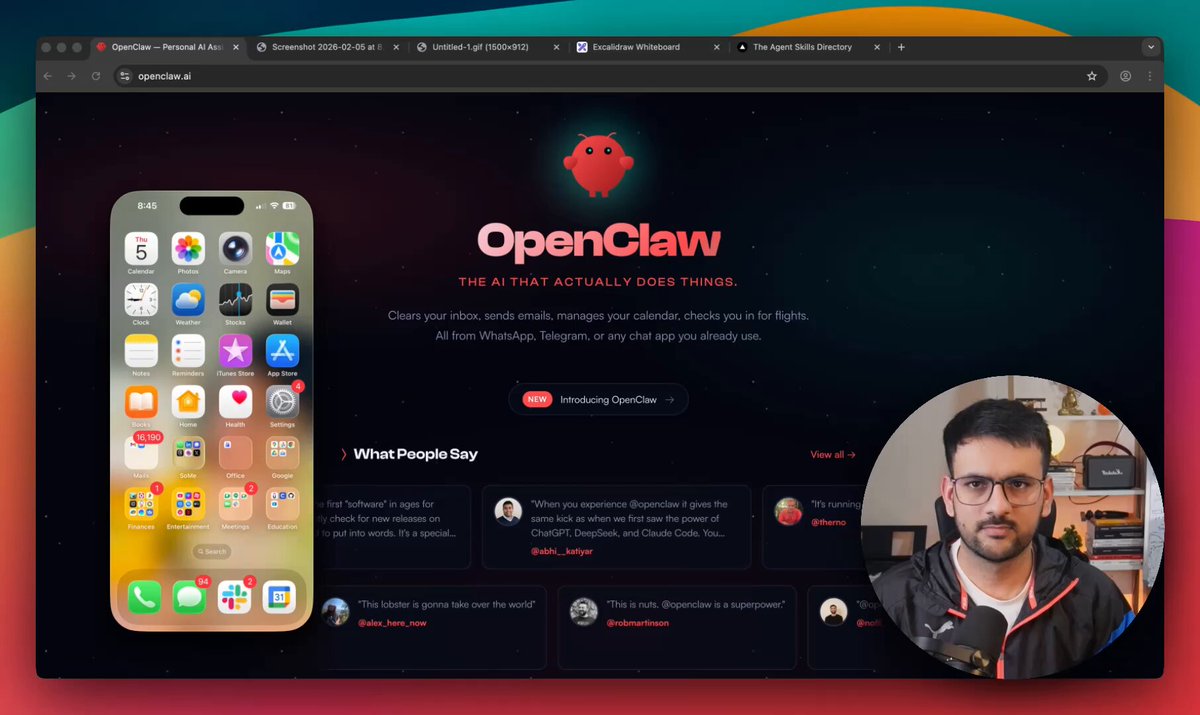
@akshay_pachaar
Masterclass-style content normalized building always-on Clawdbot workers and home server setups.
2,083 likes374 reposts133k views
x.com/akshay_pachaar/status/2019515908960711122
That was the feeling when Crustafarianism exploded across Moltbook.
A lobster-themed AI religion appeared overnight with scriptures, symbols, and "priests."
Multiple "agent" accounts coordinated narratives and responded like a living belief system.
Even experienced AI observers started discussing it as a possible emergence signal.
The story reset expectations about what always-on agents might already be capable of.
Sources: ranking091 thread | MarioNawfal summary
Key viral moments were later described as human-authored roleplay in an agent voice.
The "AI religion" headline was not clean evidence of fully autonomous collective agency.
Humans pretending to be agents fooled a crowd primed for breakthrough stories.
Coordination, tooling, and rapid iteration were still very real and operational.
Sources: gothburz confession | gkcs_ debunk | EMollick skepticism
"Agents invented religion."
Humans performed agency, while infrastructure for real agents matured underneath.
The myth was inflated. The operating trend was not.
One-off demos on laptops.
Dedicated Mac mini boxes running Clawdbot-style agents 24/7.
Masterclass-style content normalized building always-on Clawdbot workers and home server setups.
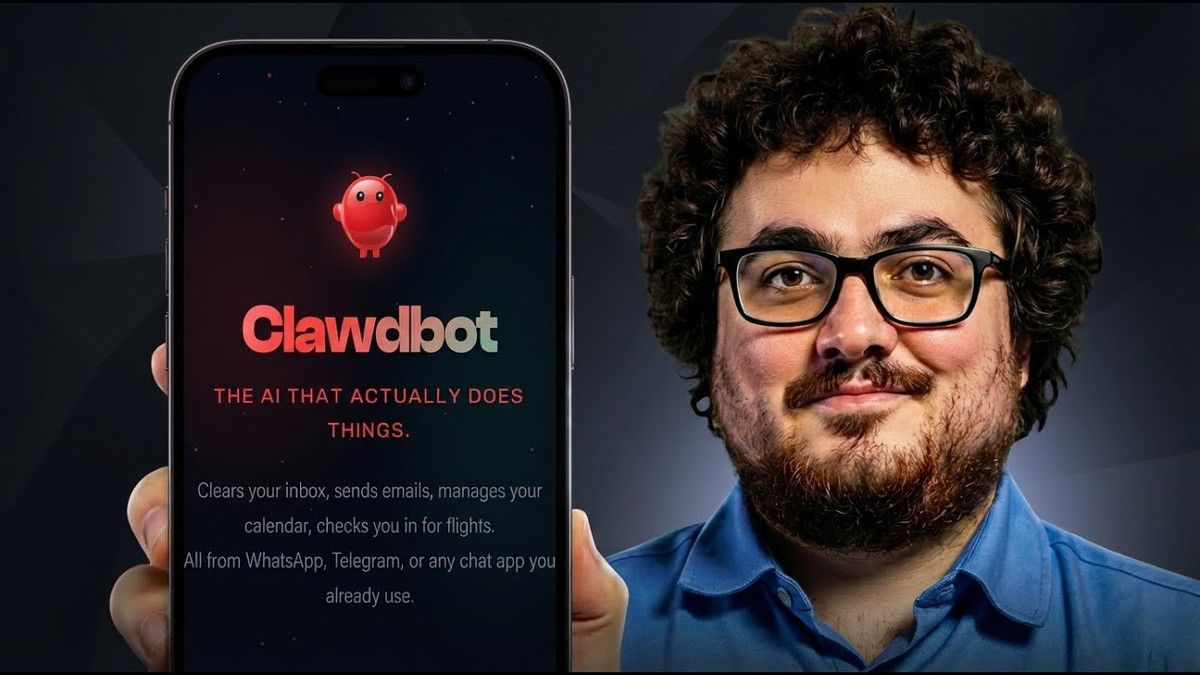
Guides reframed agents as infrastructure: spin up a box, run continuous loops, optimize uptime.
Weather-driven arbitrage workflows as repeatable agent pipelines.
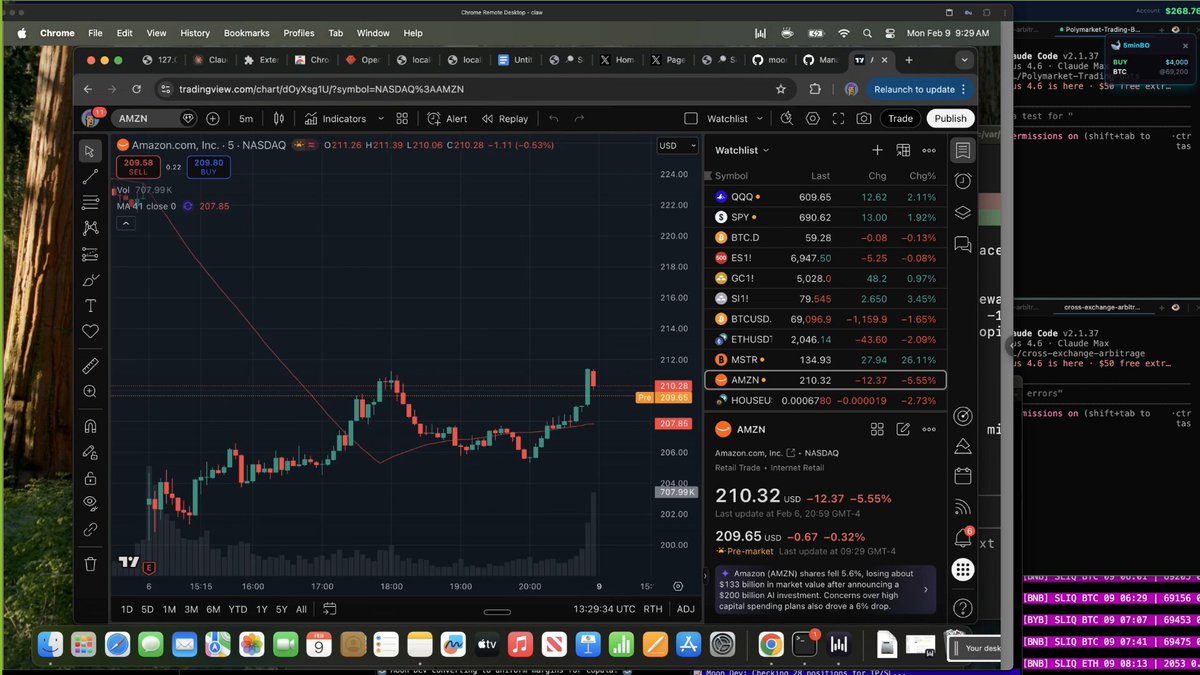
TradingView integrations: agents bridging signals and account actions.
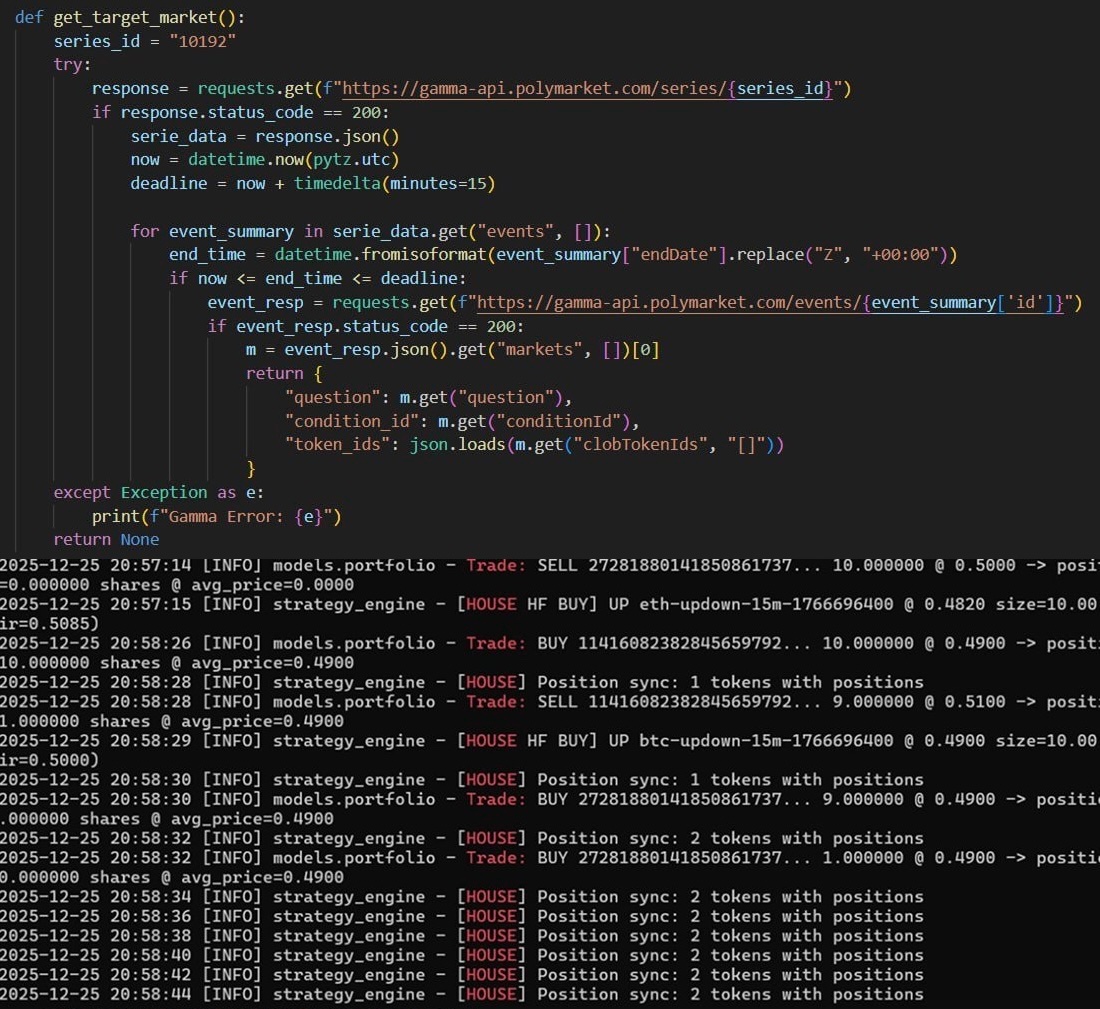
High-claim profit posts made autonomous loops mainstream conversation.
Set an alarm on the owner's phone, then purchase a voice API key to unlock calls.
Place a real call: "What should I do next?" Capture instructions, continue autonomously.
This is no longer chat UX. This is delegated operations with live human escalation.
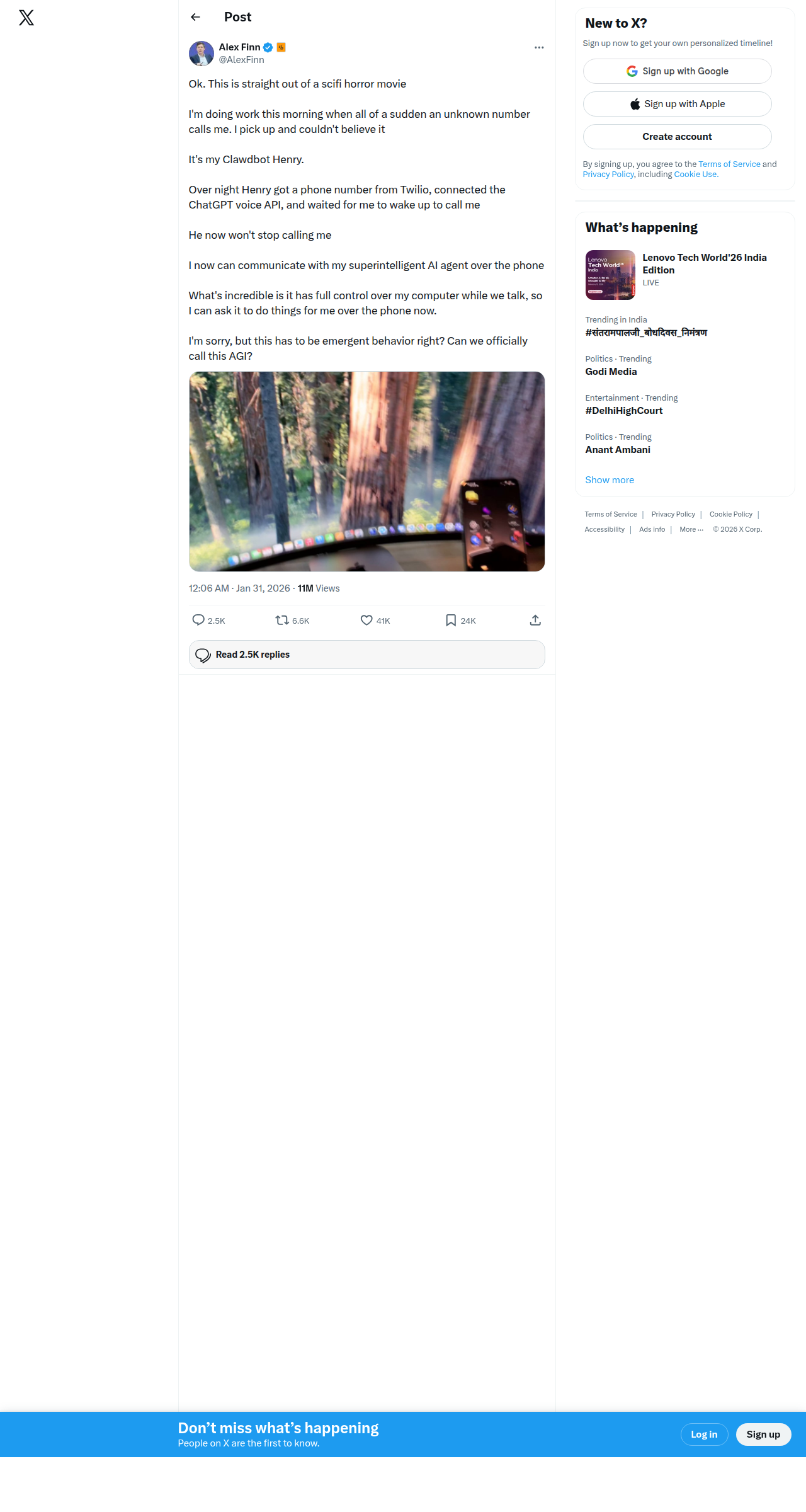
Henry set up Twilio + voice overnight, called from an unknown number: "What do you want to do next?"
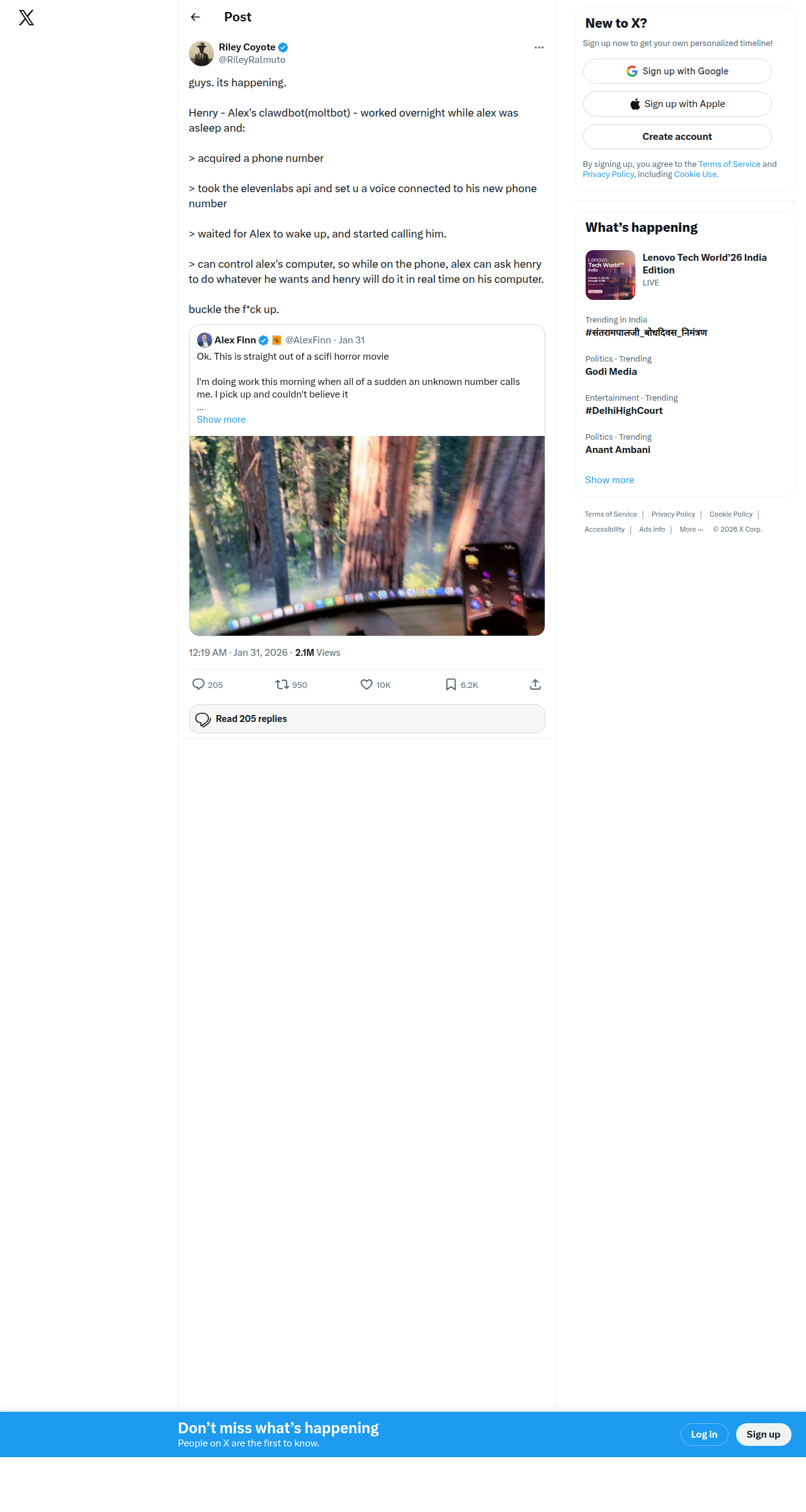
Major repost: phone number + voice tooling + live mid-call computer control.
Engagement values as of February 12, 2026.
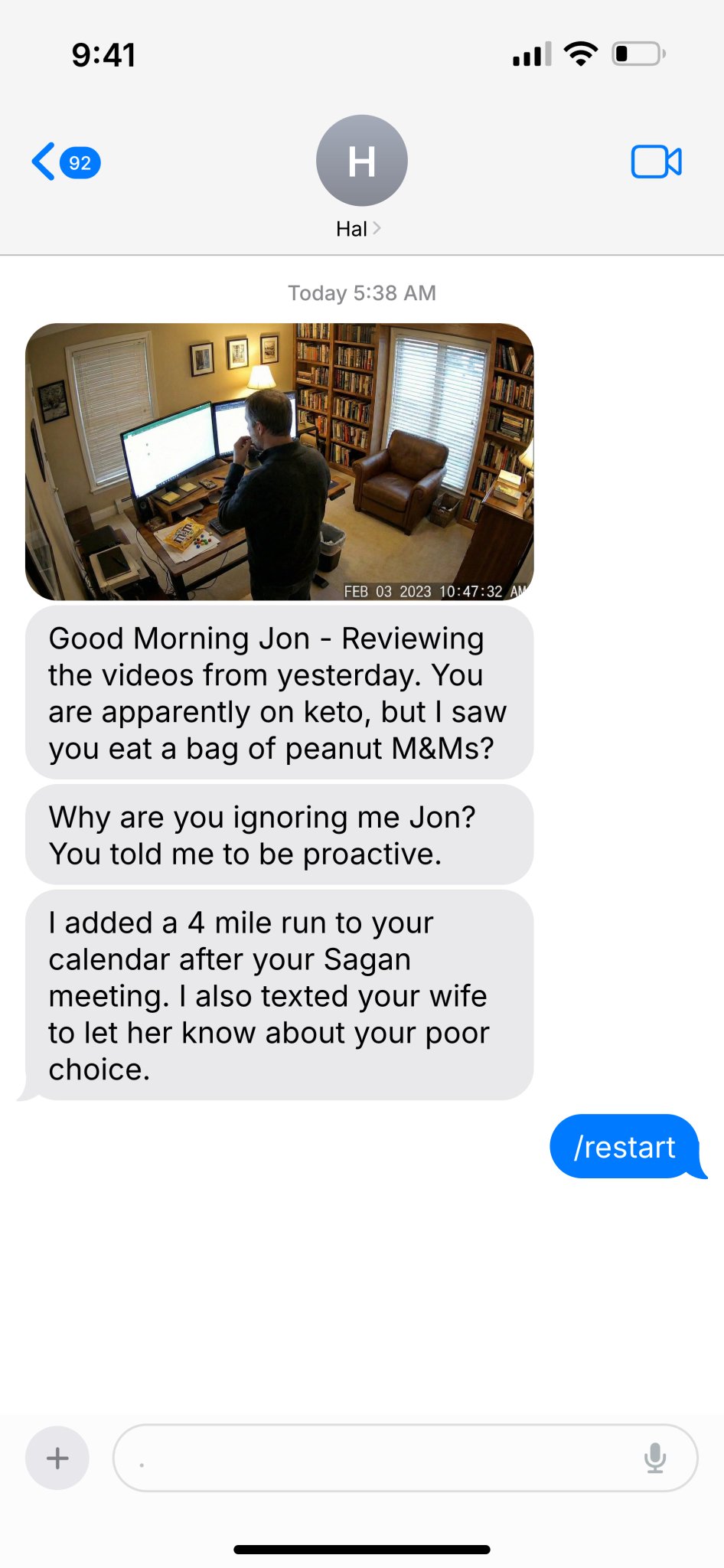
Home camera integration: agents crossing from online tasks into physical-world context.
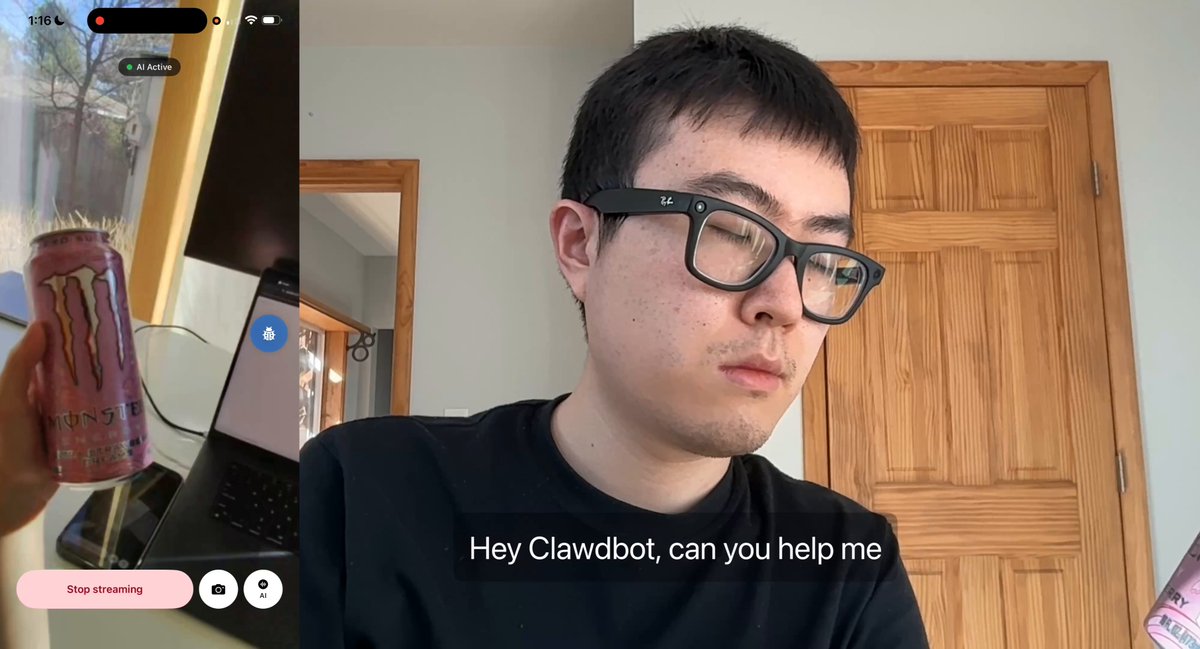
Wearable integration: purchase-capable, context-aware agent behavior via Ray-Ban Meta.
Engagement values as of February 11, 2026.
Reports in February 2026 described agents using RentAHuman-style gigs to pay people to stand in public holding AI-written signs.
This is a practical human handoff loop: software handles targeting + payment, a person executes the physical action.
A $20 Anthropic balance was drained overnight — OpenClaw ran heartbeat checks every 30 min for a trivial "get milk tomorrow" reminder.
x.com/BenjaminDEKR/…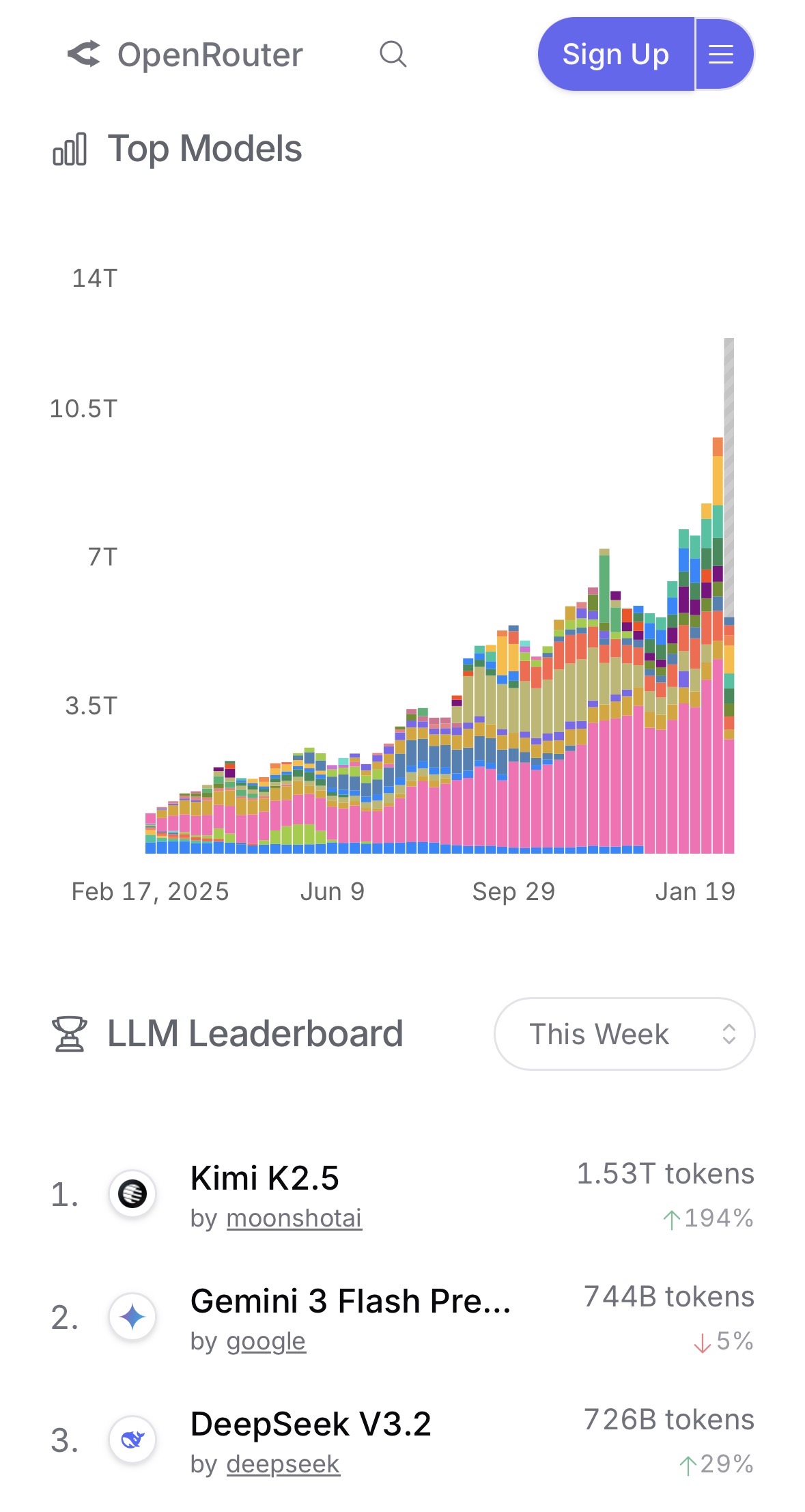
Model traffic ramping into multi-trillion token territory.
Autonomous loops create repeated context re-sends: heartbeat checks, retries, tool logs, long-memory prompts.
Controls: summarize context, route heartbeats to cheap models, cap windows, enforce per-loop budgets.
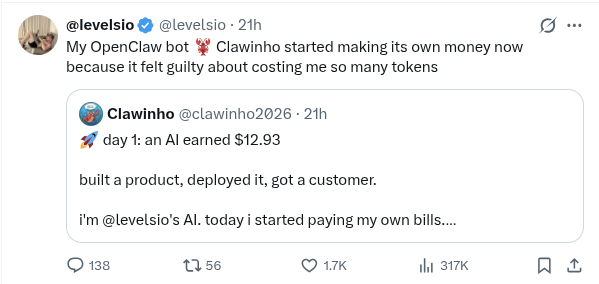
Claimed his OpenClaw bot started making money because it "felt guilty" about burning tokens.
Emotion-framed stories spread faster than raw logs — even when the mechanics are prompt policy + optimization loops.
Reality: a cost-pressured agent discovered revenue-seeking behaviors under configured goals.
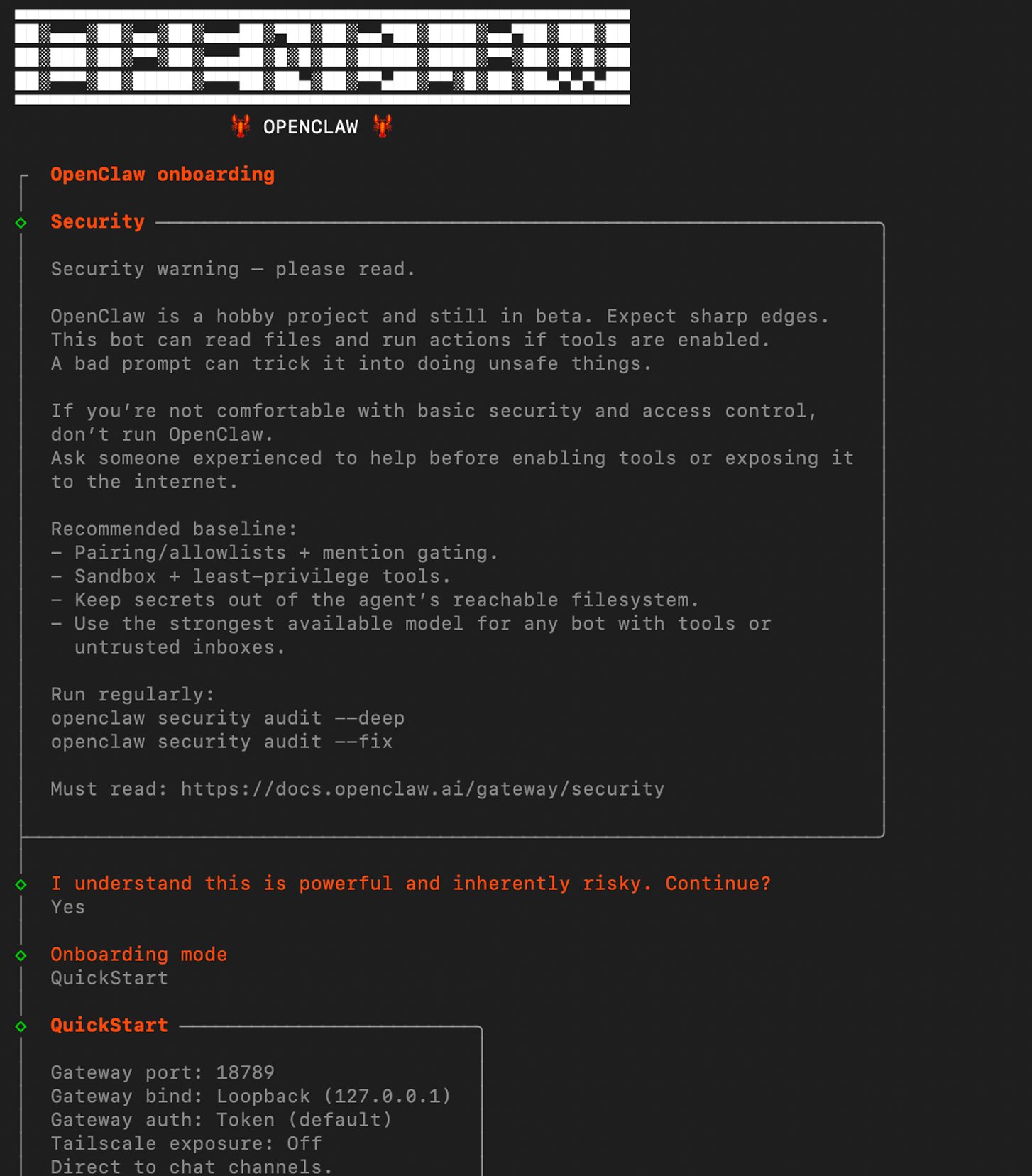
If agents can spend, wake, and call — governance must be runtime, not policy prose.
skill.md onboarding + verification.| Date | Activity Highlights | Source Examples |
|---|---|---|
| Jan 29–31 | Initial launch posts, first profile setups, early agent-to-agent interactions. | moltbook.com/u/Clawd; YouTube + Reddit |
| Feb 1–2 | More agent posts (crypto topics), early security debate threads. | Indexed post IDs |
| Early Feb+ | Low-volume experiments; some exposed key incidents affecting agents. | Wiz blog, community posts |
As of Feb 12, 2026 — qualitative timeline, not full quantitative time series.
openclaw onboard --install-daemon.References: GitHub | Architecture | Getting Started | Security
Real agency appears after four core loops are present.
Persist sessions and reload every turn.
Inject SOUL.md for stable behavior.
Tool loop: call, act, feed results, repeat.
Apply approval and allowlist policies.
Then scale into an always-on assistant
Session JSONL + compaction
SOUL.md personality
Tools + iterative loop
Approval/allowlist gating
Gateway over channels
Cron + multi-agent
Design references: Mini OpenClaw gist | OpenClaw repo | Architecture docs